
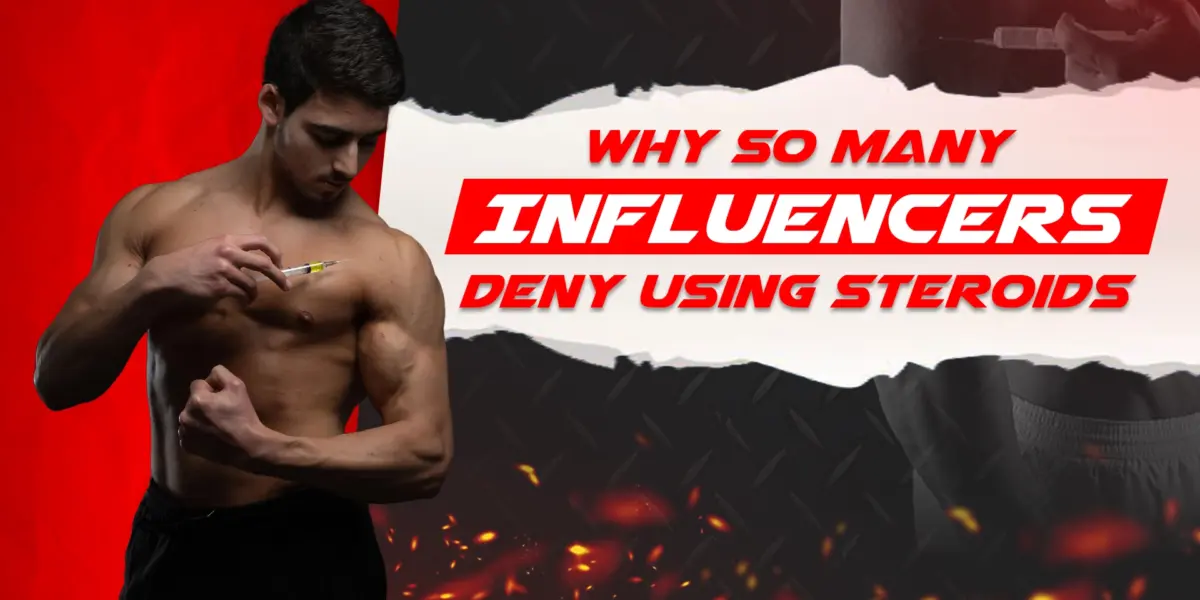
Steroid use in the fitness industry is widely discussed, yet many influencers continue to deny using performance-enhancing drugs. Despite physiques that may suggest otherwise, public admission remains rare. This pattern is shaped by financial incentives, audience expectations, and the way social media rewards perception over transparency.
The Financial Incentive to Stay “Natural”
Many influencers build their brand around being relatable and attainable. Claiming to be natural makes their results seem achievable to a wider audience. This helps sell training programs, coaching, and supplements. Admitting steroid use can reduce credibility in the eyes of followers and hurt business opportunities.
Audience Expectations and Trust
Followers often want to believe that hard work alone leads to extreme results. This belief creates strong loyalty and engagement. If an influencer admits to using steroids, some followers may feel misled or lose trust. To maintain their image, influencers may choose to deny or avoid the topic entirely.
Platform Policies and Reputation Risk
Some social media platforms restrict or discourage content related to drug use. Openly discussing steroids can risk account visibility or partnerships. Influencers may avoid the topic to protect their reach and reputation.
The Pressure to Maintain an Image
Influencers are expected to maintain a certain physique year-round. This pressure can lead to the use of performance enhancers while still presenting a “natural” image. Admitting otherwise may disrupt the brand they have built over time.
Fear of Judgment and Backlash
Steroid use is still controversial. Influencers who admit it may face criticism, judgment, or negative comments. Some prefer to avoid conflict by staying silent or denying use.
Blurred Lines Between Natural and Enhanced
Some influencers may use mild compounds, TRT, or other enhancements and not consider themselves fully “on steroids.” This gray area allows them to justify their claims, even if they are not completely natural.
The Role of Comparison Culture
When many influencers appear enhanced, it creates pressure to keep up. Denial becomes normalized because others are doing the same. This cycle reinforces unrealistic standards across the platform.
The Shift Toward Transparency
There is a growing number of influencers choosing honesty. Some now openly discuss their use, risks, and experiences. This shift is helping educate audiences and create more realistic expectations in fitness culture.
Conclusion
Influencers deny steroid use for a mix of financial, social, and psychological reasons. While this maintains their image, it can also create unrealistic expectations for followers. Greater transparency in the fitness industry can help people make more informed decisions and build healthier, more sustainable goals.