
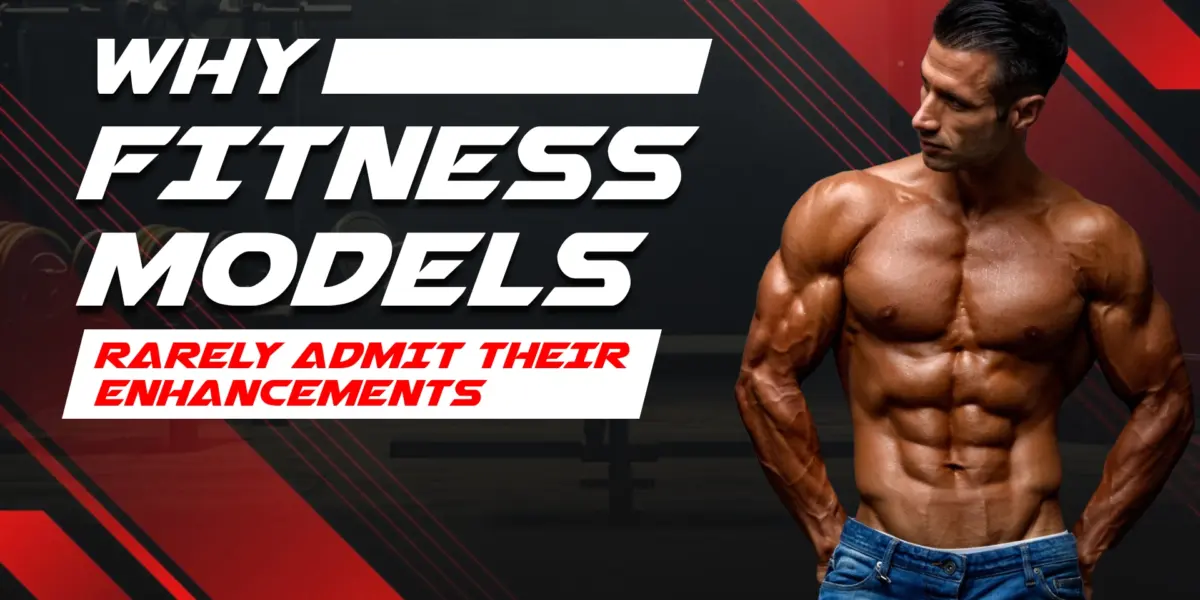
Fitness models often represent the peak of aesthetic physique standards. Their lean, muscular, and camera-ready look is highly marketable. However, many rarely admit to using performance-enhancing substances, even when their physiques suggest otherwise. This silence is shaped by business incentives, audience expectations, and the nature of the fitness industry itself.
The Business Behind the Image
Fitness models are often tied to brands, sponsorships, and product sales. Their image is used to promote supplements, training programs, and lifestyle products. Presenting their physique as “natural” makes their results seem more attainable, which helps drive sales. Admitting enhancement can weaken that marketing appeal.
Selling the Dream of Achievability
A major part of fitness marketing is the idea that anyone can achieve a similar body with the right plan. If a model openly admits to using steroids, it challenges that belief. This can reduce motivation for potential customers who want to believe the results are achievable without drugs.
Fear of Losing Credibility
Followers may feel misled if a model suddenly admits to using performance enhancers. Trust is a key factor in building an audience. To protect their reputation, many choose to avoid the topic or deny it entirely.
Contractual and Brand Restrictions
Some sponsorship deals include clauses about public image. Openly discussing steroid use may violate brand guidelines or damage partnerships. This creates another reason for fitness models to stay silent.
Social Stigma Around Steroid Use
Despite being common in certain circles, steroid use is still controversial. Models may avoid discussing it to prevent judgment, criticism, or backlash from a wider audience.
Maintaining a Competitive Edge
In a crowded industry, standing out is essential. If everyone admits enhancement, it levels the playing field. By maintaining the illusion of being natural, some models preserve a sense of uniqueness and superiority.
The Role of Social Media Pressure
Social media rewards extreme physiques and constant visual perfection. Models are expected to stay lean and muscular year-round. This pressure can lead to enhancement while still maintaining a “natural” image for public perception.
The Growing Push for Transparency
Recently, more fitness personalities have started to be honest about their use of enhancements. This shift is helping educate audiences and create more realistic expectations. However, full transparency is still not the norm.
Conclusion
Fitness models rarely admit their enhancements due to financial incentives, audience expectations, and social pressures. While this helps maintain their brand, it can also create unrealistic standards for others. Greater honesty in the industry could lead to more informed decisions and healthier perspectives on fitness.