
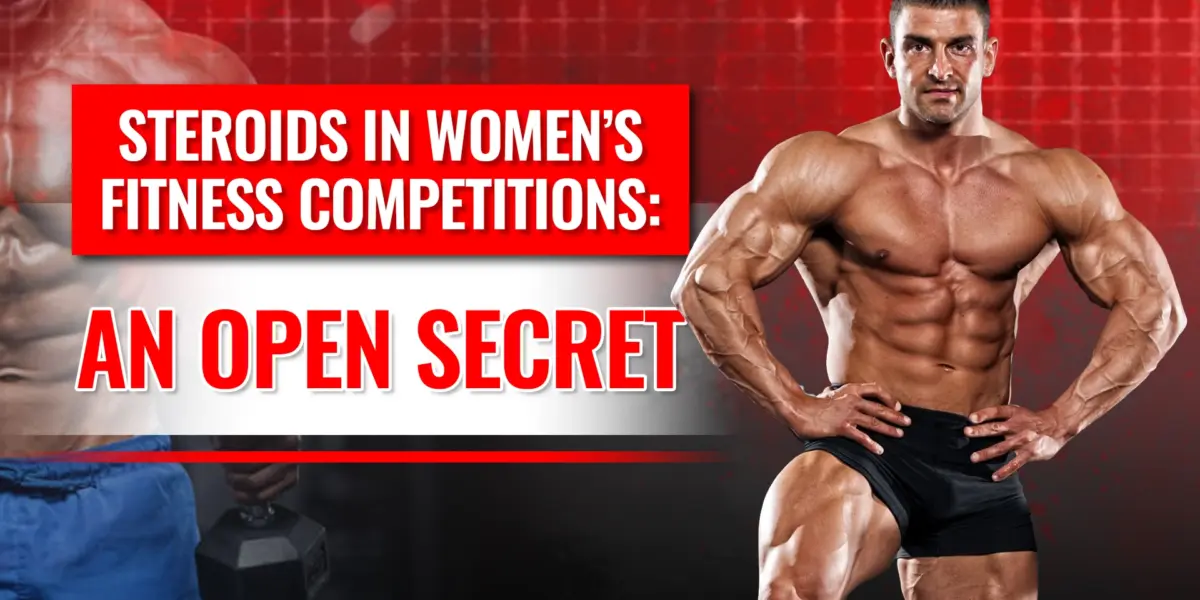
Women’s fitness competitions showcase discipline, symmetry, and elite conditioning. Over time, the standard for stage-ready physiques has increased significantly. While the sport celebrates hard work, there is also a widely understood reality that performance enhancement exists behind the scenes. This topic is rarely discussed openly, yet many within the industry recognize its presence.
The Evolution of Women’s Physique Standards
Modern competition standards demand low body fat, muscle definition, and a polished stage look. Compared to earlier eras, today’s competitors are leaner and more conditioned. Achieving this level consistently can be difficult without additional support, especially at higher levels.
Why Enhancement Becomes a Consideration
Competitive pressure plays a major role. Athletes are judged on fine details such as conditioning, muscle tone, and overall presentation. In highly competitive divisions, some may feel that enhancement helps them meet expectations. Faster recovery and improved muscle retention are often part of that appeal.
The Culture of Silence in the Industry
Despite its presence, the topic is rarely discussed publicly. Concerns about reputation, judging, and public perception keep many athletes quiet. This creates an environment where awareness exists, but open conversations are limited.
Health Considerations for Female Athletes
Women face unique risks when using anabolic substances. Hormonal balance can be affected, and certain physical changes may be difficult to reverse. Because of this, decisions around enhancement carry long-term implications that go beyond competition.
Tested vs. Untested Divisions
Some organizations promote drug-tested competitions to support natural athletes. However, testing standards and enforcement can vary. Untested divisions are generally more accepting of enhancement, even if it is not openly acknowledged.
Social Media and Rising Expectations
Social media has increased exposure to elite physiques. Competitors often present their best condition year-round, which can influence expectations for newcomers. This visibility can make extreme conditioning seem more common than it actually is.
A Shift Toward Awareness and Transparency
There is a gradual shift toward more open discussions about health and realistic expectations. Some athletes are beginning to speak honestly about the pressures of competition. This helps others better understand the realities behind the stage.
Conclusion
Steroid use in women’s fitness competitions remains an open secret shaped by evolving standards and competitive pressure. While it plays a role in the sport, it also raises important questions about health, fairness, and transparency. Greater awareness and honest conversations can help create a more informed and balanced approach for current and future athletes.