
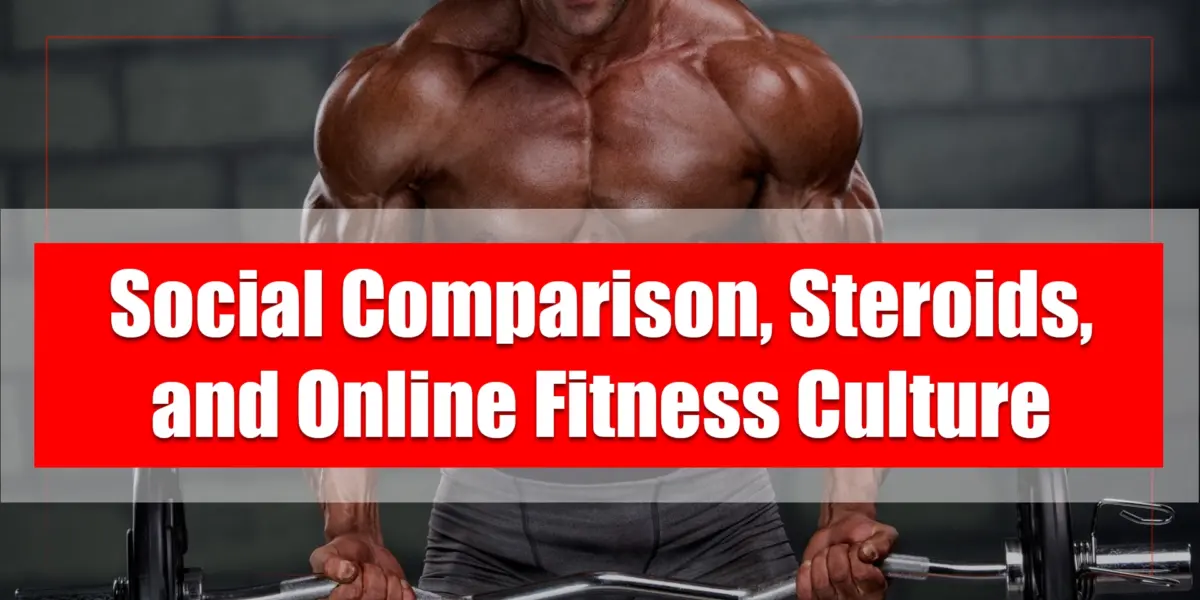
The rise of social media has transformed how people view fitness, but it has also fueled unhealthy social comparisons. Platforms like Instagram, TikTok, and YouTube are filled with sculpted physiques, extreme lifts, and constant “before-and-after” transformations. While these can inspire, they often create unrealistic standards—especially when steroids and performance-enhancing drugs (PEDs) are part of the equation.
Steroid use adds another layer to this dynamic. Enhanced lifters can achieve muscle growth and conditioning at a pace that natural lifters simply cannot replicate. When these images are presented without context, followers may feel inadequate or assume they are failing in their own fitness journey. The pressure intensifies when influencers downplay or deny their steroid use, leaving audiences chasing results that are not realistically attainable without chemical assistance.
Social comparison is a double-edged sword. On one hand, it can motivate people to push harder and stay consistent. On the other, it can lead to frustration, body dysmorphia, and risky decisions like hopping on a cycle without proper knowledge or preparation. Fitness culture online often glorifies extremes, leaving little room for balance or honest conversations about health and longevity.
Building a healthier mindset means focusing on personal progress rather than constant comparison. Recognizing that many physiques online are enhanced, photoshopped, or selectively presented can help reframe expectations. For natural athletes, patience and consistency are their biggest assets. For enhanced lifters, staying transparent and realistic about what steroids can—and cannot—do is key to fostering a more honest fitness community.
At the end of the day, your only true competition is yourself. Social media highlights can be misleading, but discipline, knowledge, and humility will always outlast the fleeting hype of likes and views.