





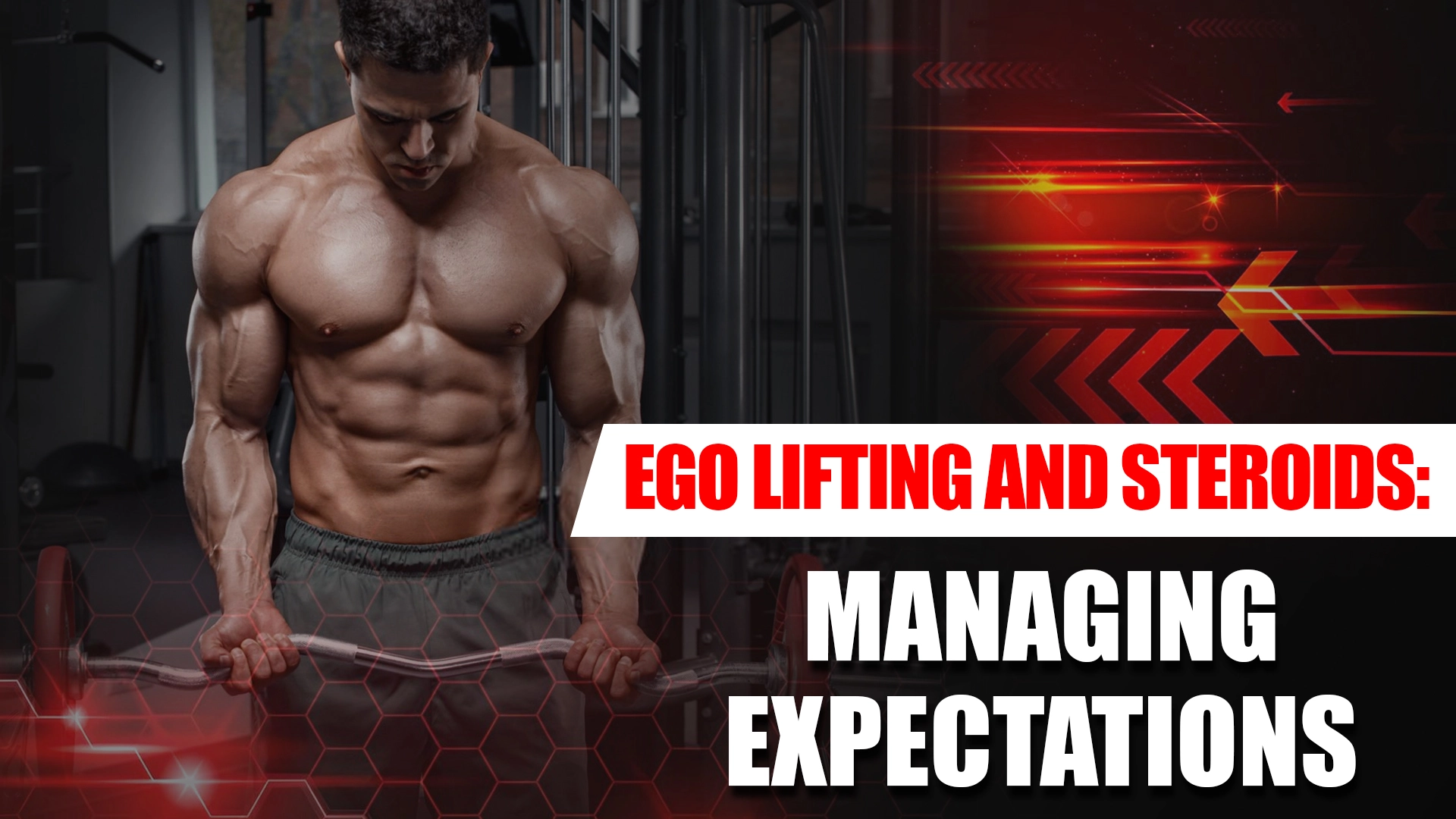
Ego Lifting and Steroids: Managing Expectations
Steroids are often seen as a shortcut to strength and size, but they can also fuel dangerous training habits. One of the most common pitfalls is ego lifting—pushing more weight than you can safely handle just to prove strength. While steroids may boost recovery and muscle growth, they don’t make lifters invincible. Managing expectations becomes crucial to prevent injury and disappointment.
What Is Ego Lifting?
Ego lifting happens when lifters prioritize how much weight they move over proper technique. It usually comes from a desire to look strong in front of others or prove progress quickly. This leads to sloppy form, half reps, and unnecessary strain on joints and tendons.
Steroids and False Confidence
Steroids can dramatically increase strength, but connective tissues like tendons and ligaments adapt more slowly than muscles. This creates a dangerous gap where muscles can handle more weight, but supporting structures are still vulnerable. The result? Higher risks of tears, strains, and long-term damage when ego lifting takes over.
The Mental Side of Ego Lifting
Steroid users may feel pressure to perform at a higher level because:
- They expect rapid strength gains.
- Gym culture encourages showing off heavy lifts.
- Social media glorifies massive PRs (personal records).
This mindset can blur the line between smart training and reckless lifting, often ending in setbacks rather than progress.
How to Manage Expectations on Steroids
- Respect Progression: Increase weights gradually, even if gains feel fast.
- Prioritize Form: Proper execution builds more sustainable strength than sloppy heavy lifts.
- Track Real Progress: Focus on consistent improvements, not just max numbers.
- Check Your Ego: Train for yourself, not to impress others.
- Remember Recovery: Steroids enhance recovery, but overtraining still leads to burnout.
Benefits & Risks
- Benefits: Faster strength gains, improved confidence, and motivation to push harder.
- Risks: Injury from tendon tears, overtraining, and disappointment when lifts stall.
- Minimizing Risks: Stick to structured training, avoid comparing to others, and emphasize form over numbers.
