
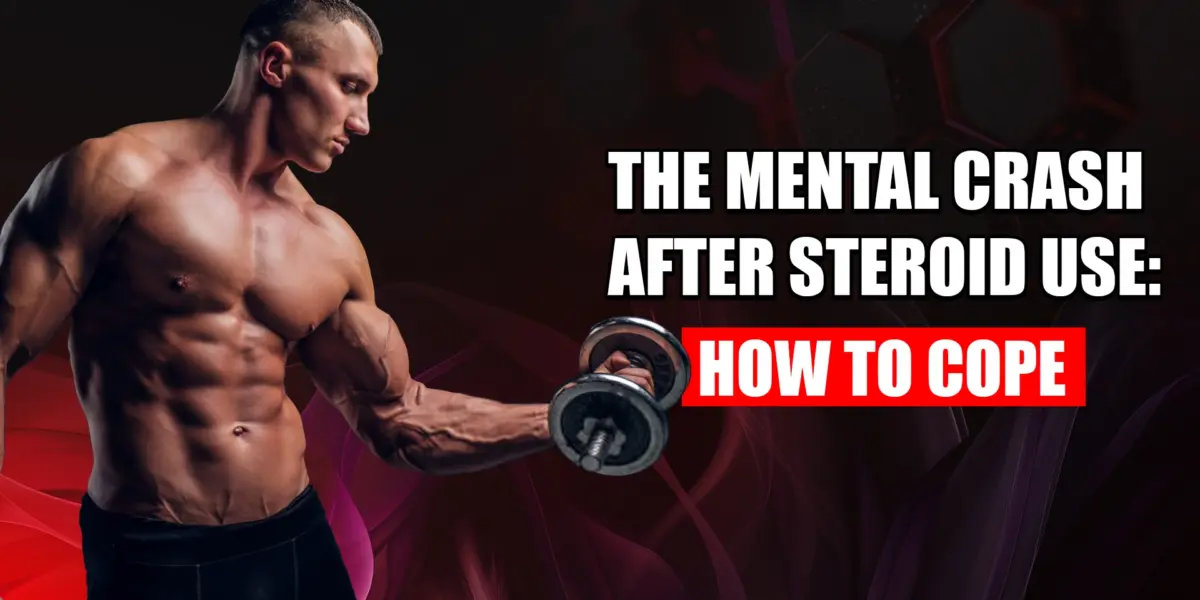
Coming off a steroid cycle isn’t just a physical challenge—it’s a mental one too. While the body adjusts hormonally, the mind often struggles with emotional swings, motivation loss, and a sense of emptiness. This mental crash is real, but it can be managed with the right strategies.
Why the Mental Crash Happens
- Hormonal Imbalance – After using anabolic steroids, natural testosterone production drops. Low testosterone often leads to mood swings, fatigue, and depression.
- Loss of Gains – Seeing reduced strength, size, or fullness can impact self-esteem and body image.
- Dopamine Drop – Steroids often boost drive and confidence. Coming off cycle may leave you feeling flat or unmotivated.
- Identity Crisis – Many enhanced lifters tie their confidence to their physiques. Losing the “superhuman” look can cause deep emotional struggle.
Common Mental Symptoms After a Cycle
- Low mood or depression
- Anxiety or irritability
- Sleep disturbances
- Lack of motivation to train
- Obsessing over lost size or strength
Coping Strategies to Ease the Crash
1. Focus on Post-Cycle Therapy (PCT)
- A proper PCT helps kickstart natural testosterone.
- Supports hormonal balance, which directly impacts mood and motivation.
- Don’t skip this step—it’s as important for your mind as it is for your body.
2. Prioritize Mental Health
- Talk to a therapist, counselor, or someone you trust.
- Journaling helps track moods and emotional triggers.
- Meditation or mindfulness can reduce anxiety and overthinking.
3. Stay Active, Even If Strength Drops
- Keep training, but shift focus from PRs to consistency.
- Use lighter weights, higher reps, or new training styles.
- Exercise releases endorphins, which naturally lift mood.
4. Reframe the Mindset
- Accept that fluctuations in size and strength are normal.
- Remind yourself: you’re still ahead of where you were before steroids.
- Focus on the long-term journey, not just short-term peaks.
5. Support the Body With Lifestyle Choices
- Prioritize sleep to aid hormone recovery.
- Eat balanced meals with whole foods, not just bulking calories.
- Limit alcohol and substances that worsen mood dips.
Long-Term Mental Resilience
- Set New Goals – Instead of chasing the same cycle highs, focus on strength skill mastery, endurance, or aesthetics in a sustainable way.
- Stay Connected – Many lifters isolate when they feel small or weak. Stay plugged into your community.
- Educate Yourself – Understanding what’s happening biologically makes the crash less overwhelming.
Final Thoughts
The mental crash after steroid use is a real challenge that many in the enhanced lifting community don’t openly discuss. But acknowledging it—and preparing for it—makes it far easier to handle. By supporting both your body and mind, you can transition off cycle without losing your sense of self or your passion for training.