
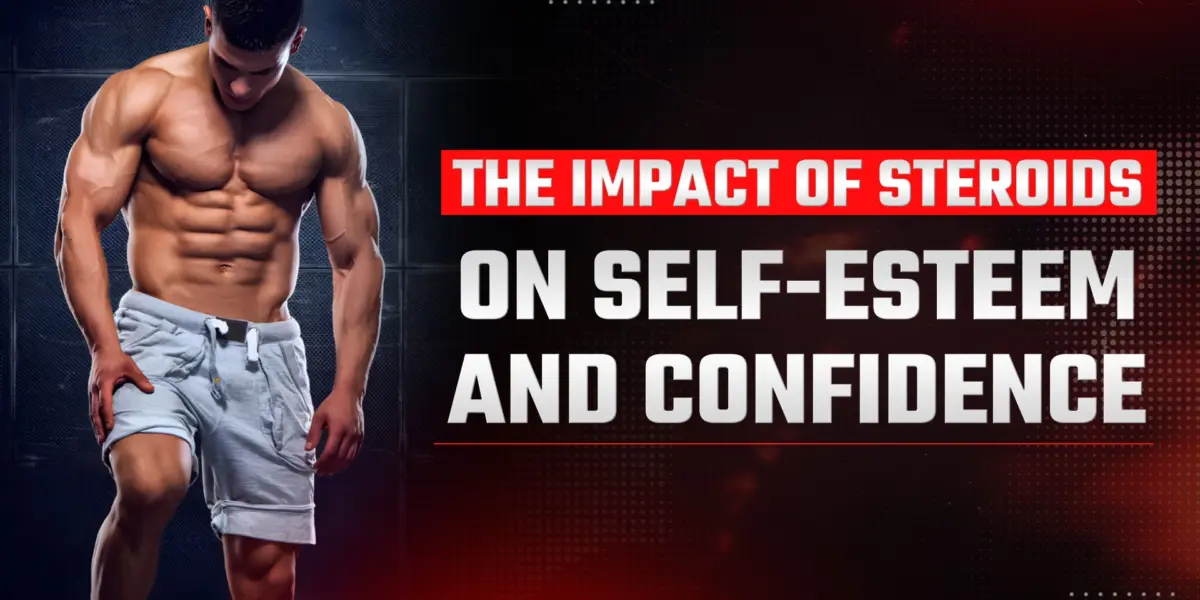
Steroids are often associated with physical transformation—bigger muscles, leaner physiques, and improved performance. But beyond the body, they can have a strong influence on the mind. For many users, steroids impact how they see themselves and how they feel in social settings. While some experience a boost in self-confidence, others find their self-worth tied too closely to their appearance.
- The Initial Confidence Boost
During a steroid cycle, many users notice rapid physical improvements. Muscles become fuller, strength increases, and fat decreases. These changes often lead to higher self-esteem, especially for individuals who struggled with body image before. Compliments from others and improved gym performance can reinforce a positive self-image, making users feel more confident and assertive. - Dependency on Physical Appearance
As the body transforms, some users begin to associate their value with their enhanced physique. They may feel more attractive, respected, or powerful. However, this can lead to a dangerous cycle—where confidence depends entirely on staying on cycle or looking a certain way. Once the cycle ends and the body begins to return to baseline, self-esteem may crash. - Body Dysmorphia and Never Feeling “Big Enough”
Steroid use can worsen body image issues. Some users develop muscle dysmorphia, where they feel small or inadequate even when objectively muscular. The constant comparison to others on social media or in the gym fuels this mindset, pushing users to chase unrealistic goals through more or stronger compounds. - Emotional Swings and Mood Instability
Steroids can cause hormonal fluctuations, affecting mood and emotional control. Some users report feelings of irritability, anxiety, or depression—especially during post-cycle periods when testosterone levels drop. These emotional changes can negatively impact self-esteem, leading to social withdrawal or strained relationships. - Psychological Risks After Quitting
Once users stop steroids, the drop in muscle size, strength, and confidence can be difficult to manage. They may feel like they’ve lost a part of their identity or no longer meet their self-imposed standards. Without proper mental support and post-cycle therapy, this emotional low can linger and affect long-term self-worth.
Conclusion
Steroids can provide a temporary boost in self-esteem, but the psychological risks are real—especially if self-worth becomes dependent on appearance. For healthy, lasting confidence, it’s important to build self-esteem through consistency, self-acceptance, and a balanced view of fitness, with or without enhancement.